Why The First 90 Days After A Heart Failure Diagnosis Are The Most Dangerous (And The One Thing Most Patients Forget To Do)
By Walter Chao
You survived the diagnosis. But statistics show that 1 in 4 heart failure patients will end up back in the hospital within just 30 days. Here is the "missing step" that could save your life.
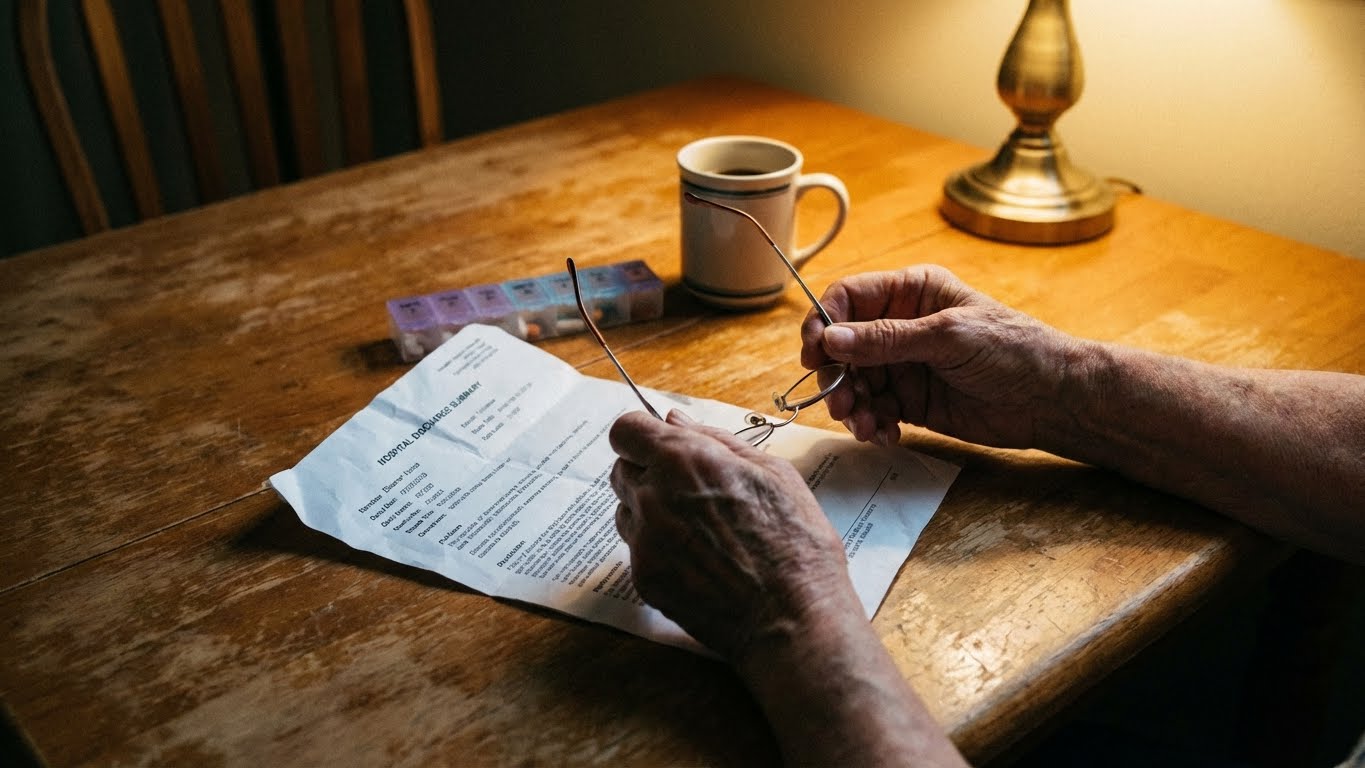
The day you are discharged from the hospital feels like a miracle.
After the breathlessness, the swelling in your ankles, the sleepless nights gasping for air, and the endless tests... there is that moment when the nurse wheels you to the curb. You take a breath of fresh air. You squeeze your spouse's hand. You think, "I made it. The hard part is over."
But for millions of Americans living with heart failure, the hard part hasn't even started.
There is a "Silent Risk" that looms over every heart failure patient once they leave the safety of the hospital ward. It is the reason why 1 in 4 heart failure patients are readmitted to the hospital within just 30 days of discharge.
The physicians stabilized your symptoms. They adjusted your medications. They sent you home with a bag full of prescriptions.
But here's what they didn't do: They didn't rebuild the strength your weakened heart desperately needs.
And the biggest mistake patients make is assuming that a handful of prescription pills is enough to keep them safe.
The "Revolving Door" of Heart Failure Care
Ask any cardiologist, and they will tell you the same thing: Medication is not enough.
Heart failure isn't like other cardiac events. It doesn't "happen" once and then heal. It's a chronic condition where your heart can't pump blood as efficiently as it should. Every single day without proper rehabilitation is a day your heart muscle grows weaker.
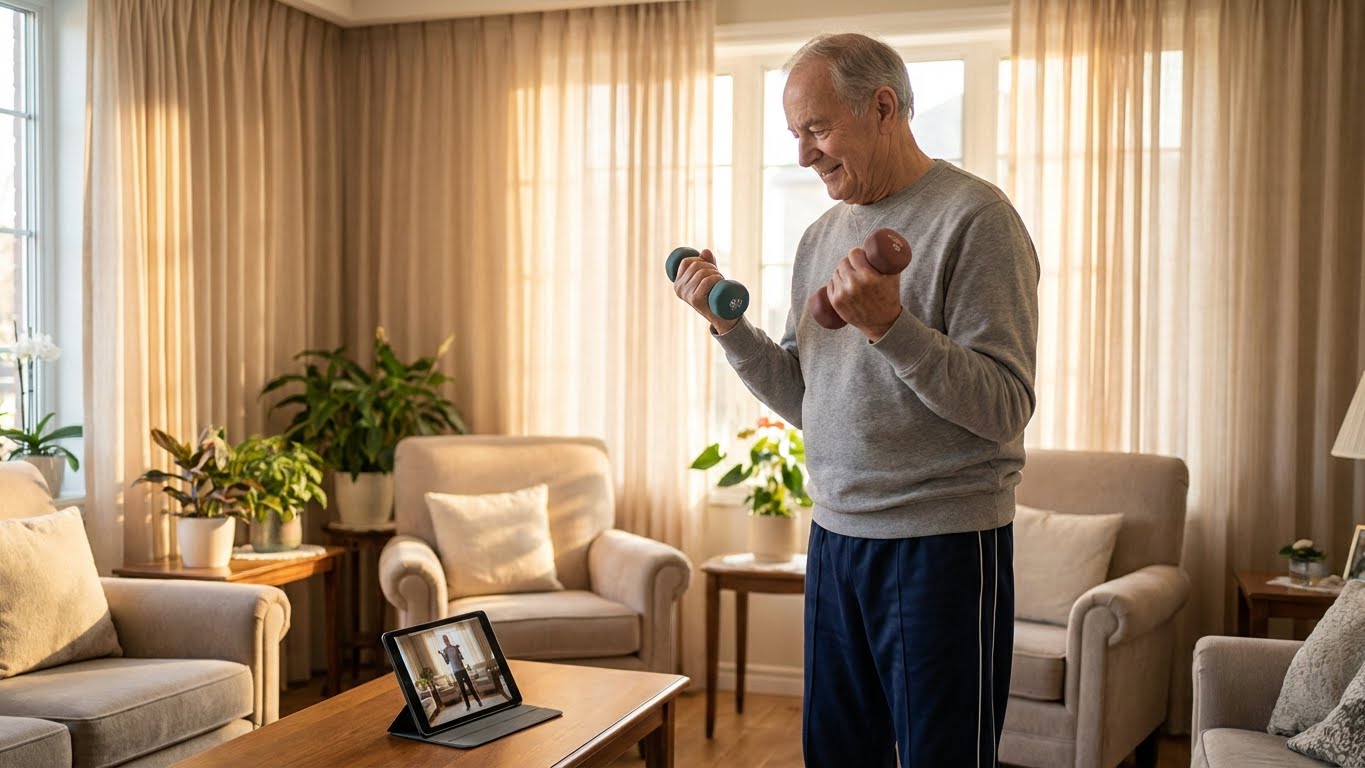
To actually manage heart failure and stay out of the hospital, you have to physically strengthen your heart. You have to improve your endurance, lower your blood pressure naturally, and regain the stamina to walk, climb stairs, and live without fear.
This is called Cardiac Rehabilitation. It is the "Gold Standard" of heart failure management. It is proven to reduce hospital readmissions and improve quality of life significantly.
So why are more than 90% of eligible patients skipping it?
It's not because they are lazy. It's because the traditional system is broken.
Imagine this: You are 70 years old. You are exhausted from heart failure. Your legs are swollen. You get winded walking from the bedroom to the kitchen. You are weak, you are tired, and you can barely make it to the mailbox.
Yet, to get this life-saving therapy, you are expected to find a ride to a hospital 45 minutes away. You have to walk through a massive parking garage, navigate a confusing medical center, and exercise in a cold, clinical room in front of strangers. Then, you have to do it again two days later.
It is exhausting. It is humiliating. And frankly, it is impossible for most heart failure patients.
So, most people quit before they even start.
They go home. They sit on the couch because they are terrified that if they move too fast, their heart will give out. They become sedentary. And slowly, silently, their risk of hospitalization begins to climb.
The Medical Solution That Brings the Clinic to Your Living Room
If you have been skipping rehab—or if you never started because it was too difficult—there is finally a solution that closes this dangerous gap.
It is called Carda Health.
Carda has completely reimagined cardiac recovery by asking a simple question: Why do you need to go to the hospital to heal your heart, when you could do it safely from your favorite chair?
Carda is the leader in virtual cardiac rehabilitation. They connect you with top-tier Clinical Exercise Physiologists—experts trained at world-renowned institutions like the Mayo Clinic and Cleveland Clinic—who guide you through a custom recovery plan right in your own home.
Here Is The Difference
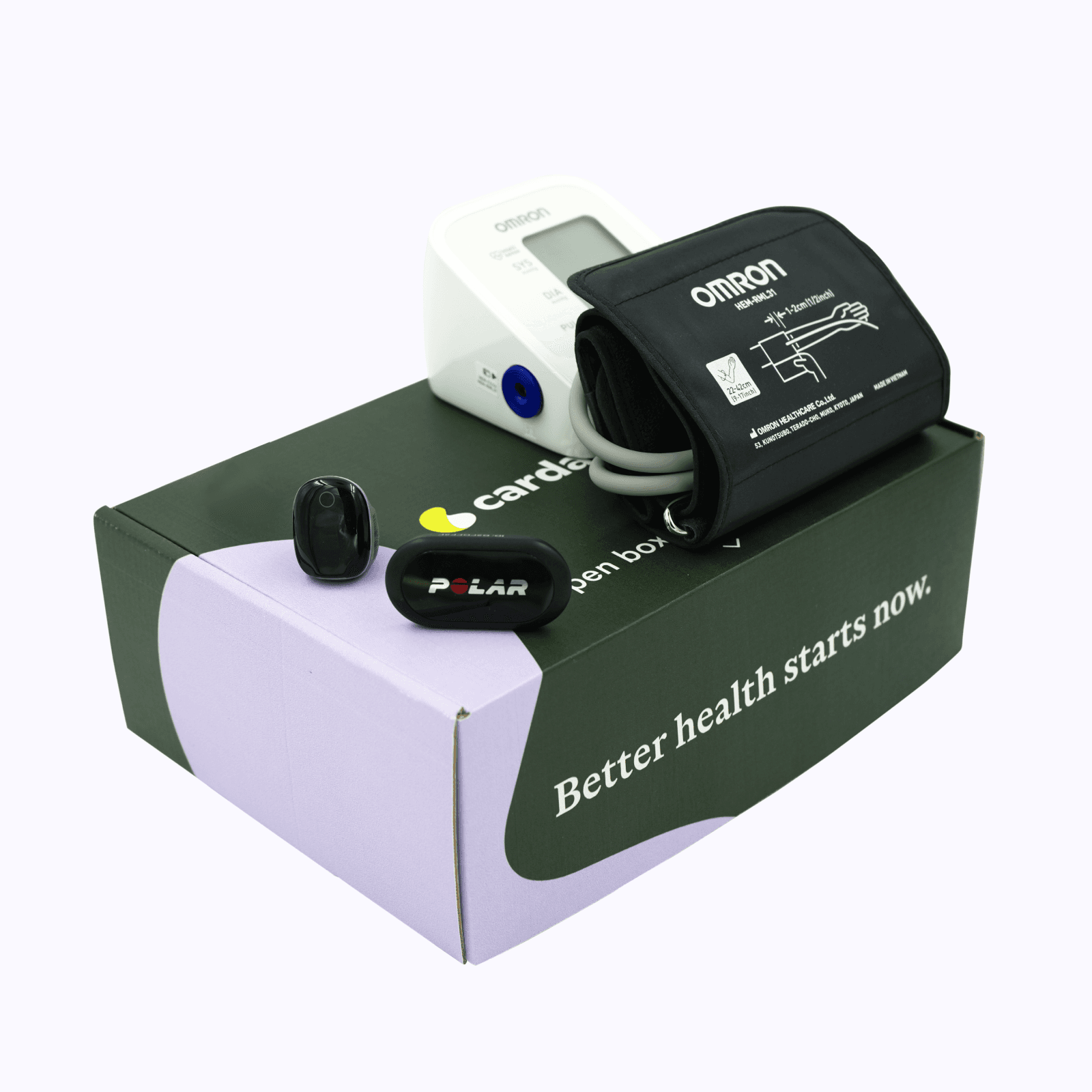
When you sign up for Carda, you don't get a pamphlet. You get a complete Heart Health Kit shipped to your door.
Inside, you'll find:
✅ A user-friendly tablet (pre-loaded with everything you need).
✅ A clinical-grade blood pressure cuff.
✅ A heart rate monitor.
✅ A pulse oximeter.
Everything you need to rebuild your heart—without ever leaving home.
"I Was Scared to Walk to the Mailbox"
The magic of Carda isn't just the technology; it's the human connection and the results real patients are seeing.
Imagine being able to clip on a heart monitor, sit in your favorite chair, and have a clinical expert check your vitals instantly. You aren't guessing if you are safe—you know you are safe.
This specific type of home-based care is changing lives.
Take Diane E., for example. Before finding Carda, she felt trapped by her condition.
"I was literally stuck in my house on my oxygen 24/7. Now I can go to the grocery store, visit friends, have a LIFE! I will definitely continue my therapy even after I officially graduate."
Consider Lynn B., who was skeptical at first but found herself amazed by the progress she made without stepping foot in a gym.
"I stumbled upon Carda and thought that I would check it out. I was a little skeptical until I was told that my insurance paid for this! I went from getting a high heart rate and shortness of breath when taking 35 steps (yes, I counted them), to walking normally and performing activities that I thought were gone forever!"
These aren't professional athletes. They are people just like you who decided that their diagnosis wasn't the end of their story.
The "Too Good To Be True" Part (That Is Actually True)

Usually, cutting-edge medical care comes with a massive price tag.
But Carda Health was founded to make this care accessible to the people who need it most: seniors living with heart failure.
If you have qualifying secondary or supplemental insurance (like Medigap), you could be fully covered.
That's right. For many patients, the cost is $0 out-of-pocket.
Think about it: If you pay $0 co-pay when you visit your doctor, there is a very high chance Carda will cost you nothing, too.
In fact, 50% of Carda patients pay $0 co-pay with their qualifying supplemental insurance.
Do Not Wait for the "Wake Up Call"
Heart failure doesn't give second warnings. Every week you wait is another week your heart muscle weakens—and another week closer to a preventable hospital readmission.
If you are living with heart failure, you are at a crossroads. You can take the path of least resistance—staying home, staying sedentary, and hoping the medication does the trick.
Or, you can take control.
You can rebuild your heart, regain your confidence, and watch your grandchildren grow up—all from the comfort of home.
Carda Health is currently checking eligibility for patients in 48 states. It takes less than two minutes to see if you qualify.
(Note: 50% of Carda patients pay $0 co-pay with qualifying supplemental insurance. Available in 48 states.)